

Customised Development
Some Problems Need a System Built Around Them — Not the Other Way Around
Most event technology is built for the most common use case. A registration system that handles standard delegate categories. An abstract system built for a single-track academic conference. A website template designed for a two-day corporate seminar.
These tools work well for a lot of events. But professional conference organisers, established associations and organisations running complex or recurring event programmes often have requirements that fall outside what any off-the-shelf system can handle cleanly. A multi-year membership platform that feeds into annual event registration. A custom awards management system. A delegate portal that integrates with an existing CRM. A reporting dashboard built around metrics that matter to a specific sponsor or governing body.
When you find yourself building workarounds to make a system fit your process, that is the signal that you need something built for your process specifically.
Our customised development service starts with understanding your workflow — not with pitching you a product. We scope what you need, identify where our existing components can be adapted and build the parts that genuinely require something purpose-made.
Examples of What We Develop
Member & Association Portals
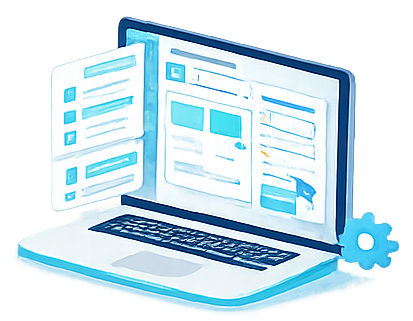
Associations managing annual memberships alongside event programmes often need a portal that handles both — member records, membership renewals, member pricing on event registration, member-only content and governance documents — in one place rather than across three separate platforms.
We build member portals that connect to event registration systems, so a member's status, pricing entitlement and event history are all visible in one place. For associations with governance requirements — committees, board records, voting processes — these can be incorporated into the same portal.
Custom Reporting & Analytics Dashboards
Organisers running large programmes for institutional clients, medical boards or government bodies often need reporting built around specific metrics, audit requirements or stakeholder-facing formats.
We build custom reporting dashboards that pull data from your event systems and present it in the structure your stakeholders actually need — CPD tracking reports, membership trend analysis, event ROI summaries or regulatory compliance documentation.
Awards & Recognition Programme Systems
Awards programmes attached to congresses or annual association events have their own workflow requirements — nomination submission, eligibility checking, judging panel management, scoring, shortlisting and winner notification. This is distinct from abstract review and rarely fits cleanly into a standard system.
We have built dedicated awards management platforms that handle the full cycle from nominations open to winner announcement, with judging portals, conflict-of-interest controls and a clean audit trail.
CRM & Database Integration
Organisations with existing CRM or membership database systems often need their event technology to connect to those systems rather than create a separate data silo. We assess integration requirements, build API connections where available and design data transfer workflows where direct integration is not possible.
The goal is a setup where registration data, attendance records and delegate communications are consistent across your systems — without someone having to manually synchronise them after every event.
Multi-Event Portfolio Management
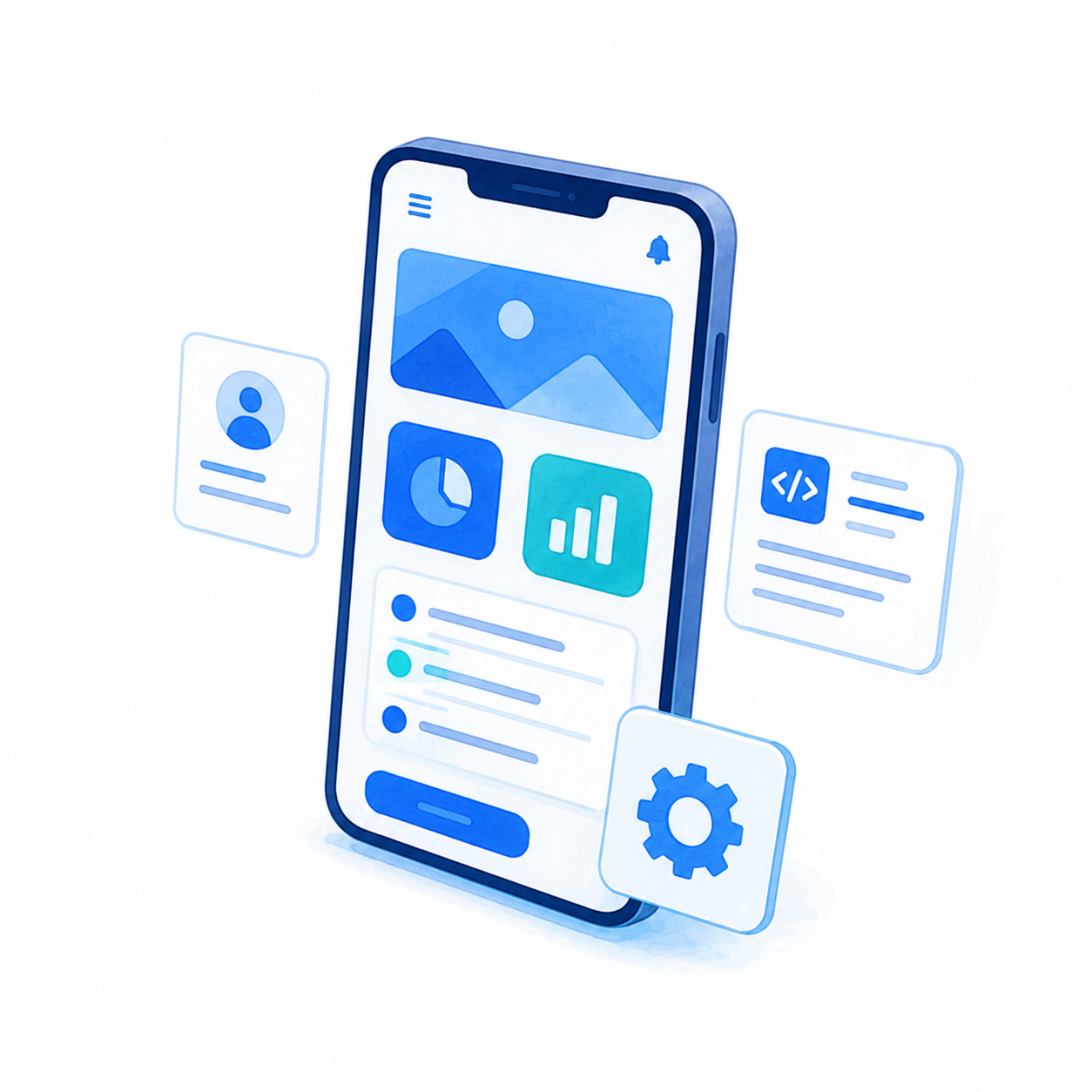
PCOs and secretariats managing multiple events simultaneously need more than a separate system for each event. A shared delegate database, a consolidated financial view across events, cross-event communications management and a central dashboard for the team — these require a layer of architecture that sits above individual event systems.
We design and build multi-event management platforms for organisations running ongoing event programmes, where the overhead of managing separate systems for each event is no longer sustainable.
Sponsor & Exhibitor Management Portals
Sponsors and exhibitors often have their own set of administrative requirements — submitting company profiles, uploading promotional materials, requesting additional services, managing their team's badge allocations, viewing their sponsor deliverables checklist. Managing all of this by email is inefficient and error-prone.
A dedicated sponsor portal gives exhibitors and sponsors a self-service interface to manage their own requirements, reducing the administrative load on your team and giving sponsors a more professional experience of working with your organisation.
Virtual & Hybrid Event Platforms
Events with a significant virtual component — live streaming, on-demand content, virtual networking, digital poster sessions — often need a custom-built environment rather than a generic video platform. We build white-labelled virtual event environments that integrate with your registration system and carry your event branding throughout.
Our Development Process
Stage 1 — Discovery
Every customised project starts with a discovery session where we work through your requirements in detail — what you are trying to achieve, what constraints you are working within, what existing systems need to be considered and what success looks like. We ask a lot of questions at this stage because the quality of what we build depends on how well we understand the problem.
Stage 2 — Scoping & Proposal
After discovery, we produce a detailed scope document outlining what will be built, how it will work, the technology approach, the project timeline and the cost. We do not produce vague proposals — the scope document is specific enough that both sides understand exactly what is being agreed before any work starts.
Stage 3 — Design & Prototyping
For projects with significant user-facing components, we produce interactive prototypes or design mockups before full development begins. This gives you a concrete way to review the interface and workflow before it is built, and identifies changes that are much cheaper to make at the design stage than during development.
Stage 4 — Development & Testing
Development runs in sprints with regular progress updates. You have visibility into what has been built at each stage, and testing happens continuously rather than as a single phase at the end. Where your team needs to be involved in testing, we coordinate that as part of the schedule.
Stage 5 — Deployment & Handover
We deploy the finished system, run through it with your team and handle any issues that come up immediately post-launch. Where your team will be managing the system themselves, we provide documentation and training. Where we are running it on your behalf, we agree on an ongoing support and maintenance arrangement.
Stage 6 — Ongoing Support & Iteration
Iteration Custom systems are rarely finished on day one. Requirements evolve, new features are needed and the system needs to be maintained. We offer ongoing development support arrangements for organisations that need a technology partner for the long term, not a one-time build.
FAQ
If You Have a Requirements Document, We Want to Read It
If you have an event technology problem that standard platforms have not solved, bring it to us. We will tell you whether we can build what you need, how we would approach it and what it would cost.